Research overview
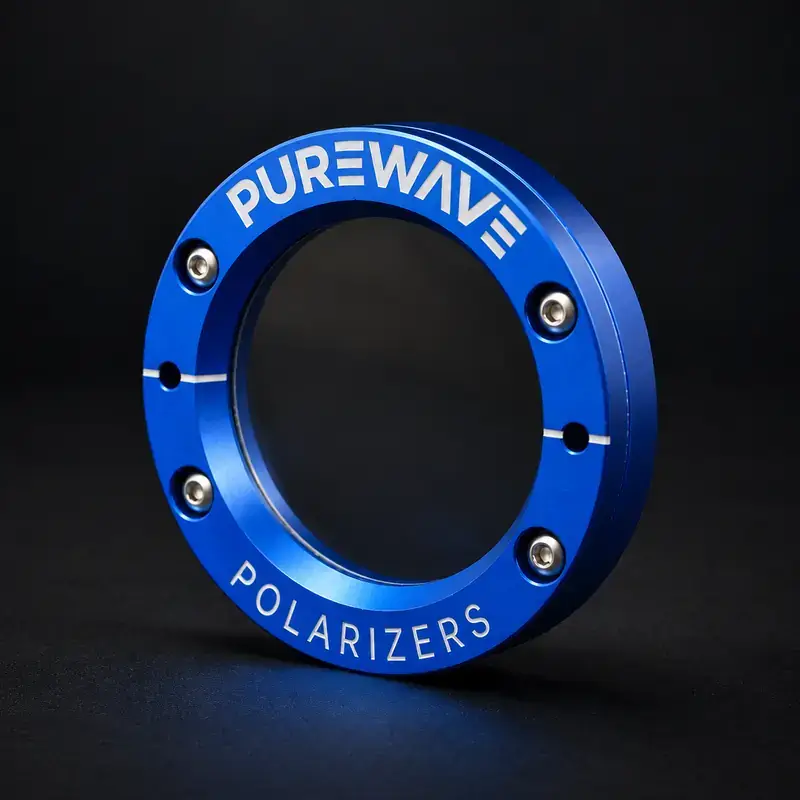
This paper demonstrates far-field terahertz imaging of a single human hair, about 100 µm in diameter, using a THz quantum cascade laser source based on intracavity difference-frequency generation and operating at 240 K. Far-field THz images of such small objects are usually obscured by fringes or speckle, but the single-lobed, Gaussian-like beam of this nonlinear QCL avoided these artefacts. Using a wire-grid polarizer, the authors characterised the polarization of the QCL emission and showed that the THz beam is linearly polarized in the horizontal plane. Images of hairs oriented vertically and horizontally revealed that the THz image depends on the angle between the hair and the polarization direction, while hairs remained detectable in either orientation. The results point to compact THz QCL sources, ultimately operating at room temperature, as practical tools for non-destructive detection of small foreign objects such as hairs.
Key findings
- Far-field THz imaging of a single human hair (~100 µm diameter) with a nonlinear THz QCL
- Single-lobed, Gaussian-like beam avoids the fringes and speckle that obscure small objects
- Wire-grid polarizer measurements show the QCL emission is linearly polarized
- Hair image depends on orientation relative to the THz polarization, yet hairs remain detectable