Research overview
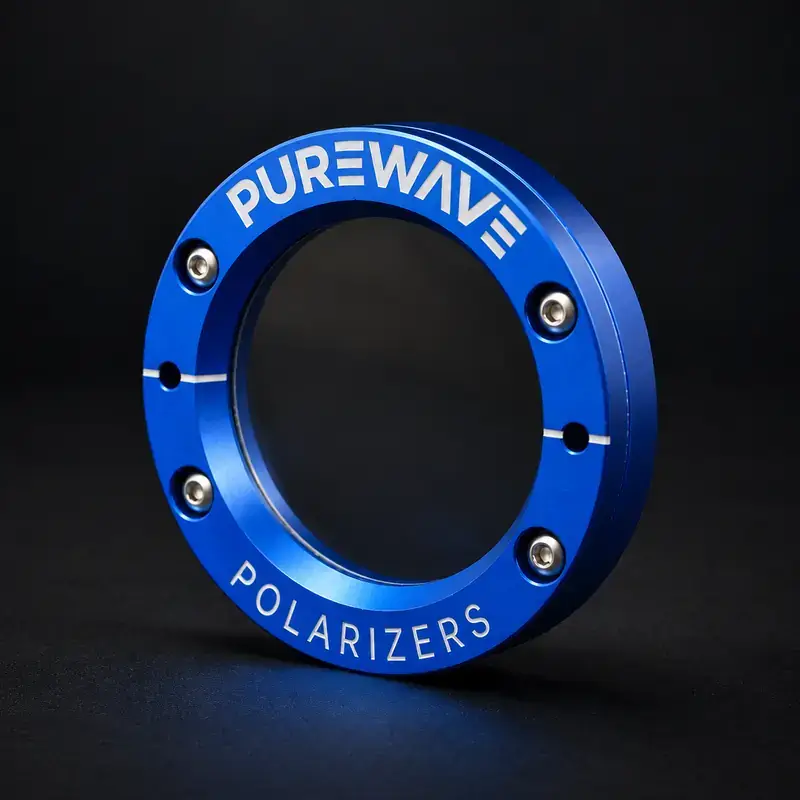
This PhD thesis uses terahertz emission spectroscopy to study the spin Seebeck effect, in which a temperature gradient across a magnetic insulator and metal interface drives a spin current. A femtosecond laser pulse creates a thermal gradient lasting only a few picoseconds. The resulting spin current is detected as broadband THz radiation, which isolates the interfacial contribution from the bulk effects that dominate electrical measurements. The first part describes building and calibrating the THz emission setup, including polarization-resolved detection with a pair of wire-grid polarizers. The second part measures the picosecond spin Seebeck effect in ferrimagnetic YIG at low temperatures and in two antiferromagnets, one across its 117 K magnetic transition. Unexpectedly strong signals from the antiferromagnets are attributed to strong interfacial exchange coupling and high-frequency spin susceptibility.
Key findings
- THz emission spectroscopy isolates the interfacial picosecond spin Seebeck effect
- Polarization-resolved THz detection built with a pair of wire-grid polarizers
- Low-temperature measurements on YIG differ from earlier low-frequency electrical results
- Strong spin Seebeck signals from antiferromagnets, attributed to interfacial exchange coupling